

Blog
Waterproof Flooring Wholesale Georgia: Complete Guide for Contractors and Builders
Waterproof flooring wholesale in Georgia refers to the bulk distribution of flooring materials designed to resist moisture, humidity, and spills. These materials are commonly used in residential and commercial construction projects where durability and water resistance are essential.
In most cases, wholesale suppliers provide flooring in large quantities to contractors, builders, and developers. As a result, pricing becomes more competitive compared to retail purchases.
Why Waterproof Flooring Is in High Demand in Georgia
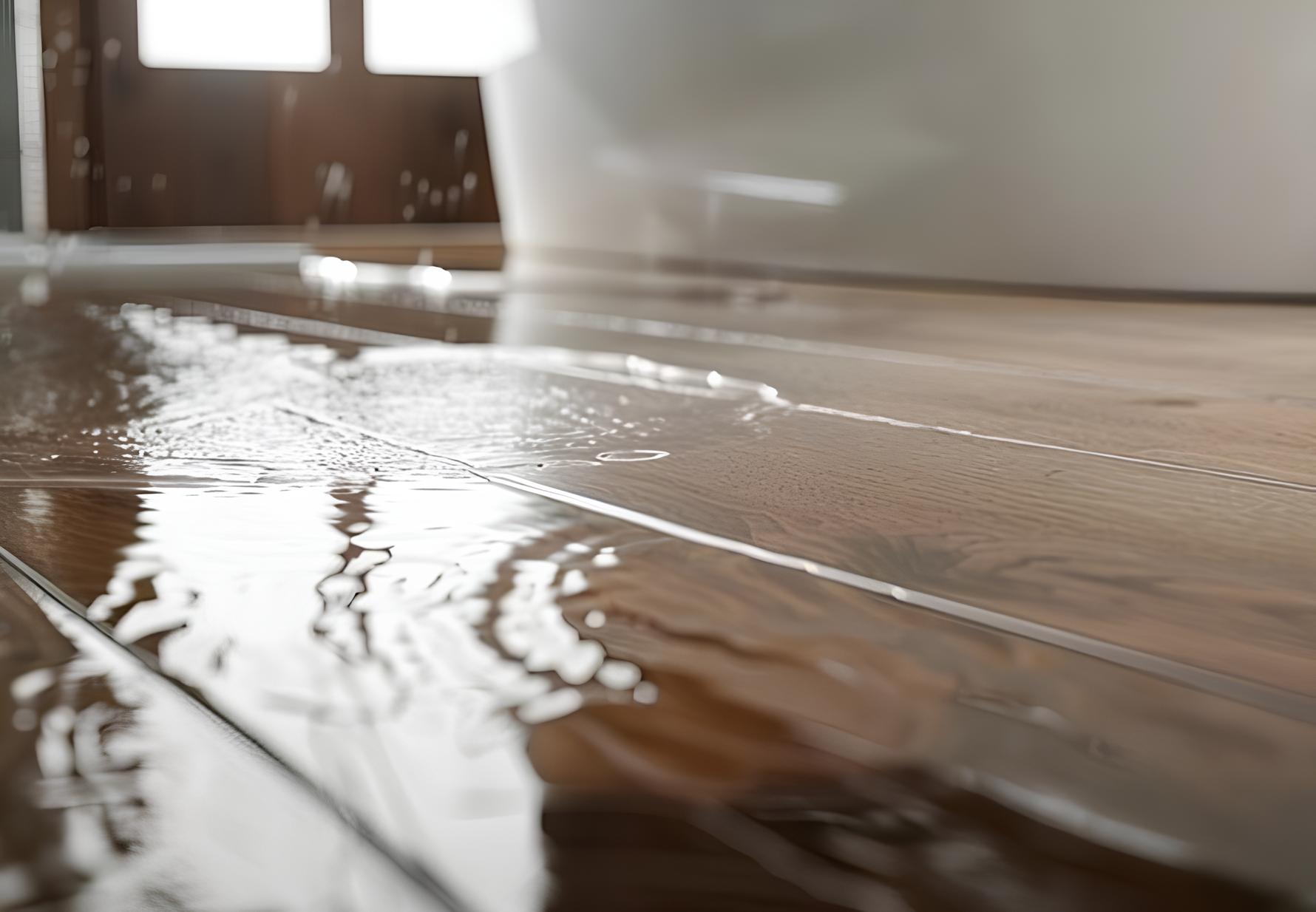
Georgia’s climate is characterized by humidity and seasonal moisture changes. Because of this, waterproof flooring has become a preferred choice for modern construction projects.
Additionally, builders prioritize materials that reduce long-term maintenance risks. Therefore, waterproof flooring is widely used in kitchens, bathrooms, basements, and high-traffic commercial areas.
Key reasons for demand include:
- High humidity resistance
- Reduced risk of warping
- Long-term durability
- Cost efficiency in bulk purchases
How Waterproof Flooring Wholesale Pricing Works
Wholesale pricing for waterproof flooring depends on several technical and logistical factors. Although prices vary, suppliers typically calculate costs based on material quality and order size.
Main pricing factors include:
- Core material type (SPC, WPC, or standard LVP)
- Wear layer thickness
- Design complexity and surface texture
- Total order volume
- Logistics and transportation costs
Generally, larger orders receive lower per-square-foot pricing, making wholesale purchasing more efficient for construction projects.
Types of Waterproof Flooring Available in Wholesale Markets
Different waterproof flooring materials serve different construction needs. Understanding these types helps contractors choose the right solution for each project.
LVP (Luxury Vinyl Plank)
LVP flooring is flexible, visually realistic, and cost-effective. It is widely used in residential projects due to its balance between performance and affordability.
SPC Flooring
SPC flooring features a rigid stone-based core. As a result, it offers higher impact resistance and stability, making it suitable for commercial and high-traffic environments.
WPC Flooring
WPC flooring provides a softer underfoot feel. Additionally, it offers strong waterproof performance and is often used in residential interiors where comfort is a priority.
Benefits of Buying Waterproof Flooring Wholesale
Purchasing waterproof flooring in bulk provides several advantages for builders and contractors working in Georgia’s construction market.
Key benefits include:
- Lower cost per square foot
- Consistent material supply for large projects
- Improved logistics and delivery efficiency
- Uniform product batches for installation consistency
- Scalable supply for residential and commercial builds
Because of these benefits, wholesale purchasing is standard practice in large construction projects.
Cost Considerations for Contractors
Understanding cost structure is essential when planning flooring procurement. Waterproof flooring pricing depends on both material specifications and project scale.
Key cost factors include:
- Material grade selection
- Project size and bulk discounts
- Transportation and logistics
- Subfloor preparation requirements
Therefore, contractors often compare multiple suppliers to optimize total project cost.
Common Mistakes When Buying Waterproof Flooring
Many contractors face challenges when sourcing flooring materials without proper planning.
Common mistakes include:
- Choosing materials based only on price
- Ignoring wear layer specifications
- Selecting incorrect flooring types for usage areas
- Underestimating required quantities
Avoiding these mistakes improves project efficiency and reduces installation issues.
Waterproof Flooring vs Other Flooring Types
Waterproof flooring is often compared with traditional hardwood and laminate options.
- Hardwood offers natural aesthetics but is sensitive to moisture
- Laminate is affordable but less water-resistant
- Waterproof vinyl flooring provides a balance of durability, cost, and moisture protection
As a result, waterproof flooring is often the preferred solution in modern construction projects.
Is Waterproof Flooring Worth It?
Waterproof flooring is considered a cost-effective solution for both residential and commercial applications. Because it reduces moisture-related damage risks, it extends the lifespan of flooring installations.
Additionally, it provides design flexibility and supports high-traffic performance. Therefore, it is widely adopted in new construction and renovation projects.
Maintenance and Longevity
Waterproof flooring typically requires minimal maintenance. Regular cleaning and proper installation contribute significantly to its lifespan.
On average, high-quality waterproof flooring can last between 10 and 25 years depending on usage conditions and material grade.
Proper care includes:
- Routine sweeping and cleaning
- Avoiding abrasive chemicals
- Maintaining stable indoor humidity
Talk to an Expert
Frequently Asked Questions (FAQ)

 Vinyl Flooring Guides
  Installation & Maintenance
  Design & Inspiration
  Vinyl Flooring Comparisons
No comments have been made yet, be the first!