

Blog
Vinyl Flooring for Kitchens: A Practical Guide for Busy, Design-Minded Spaces
Kitchens ask a lot from flooring. They need a surface that feels comfortable underfoot, supports daily use, and still looks composed when the room is at its busiest. That is why vinyl flooring for kitchens continues to be a practical choice for many residential spaces and, in some cases, light commercial environments where appearance and performance both matter.
The best kitchen flooring is not simply the one that looks attractive in a photo. It is the one that fits the pace of the room. A kitchen experiences frequent movement, spills, cleaning, and constant visual attention. Therefore, the flooring needs to support durability, easy maintenance, modern design, and a sophisticated finish without making the room feel complicated.
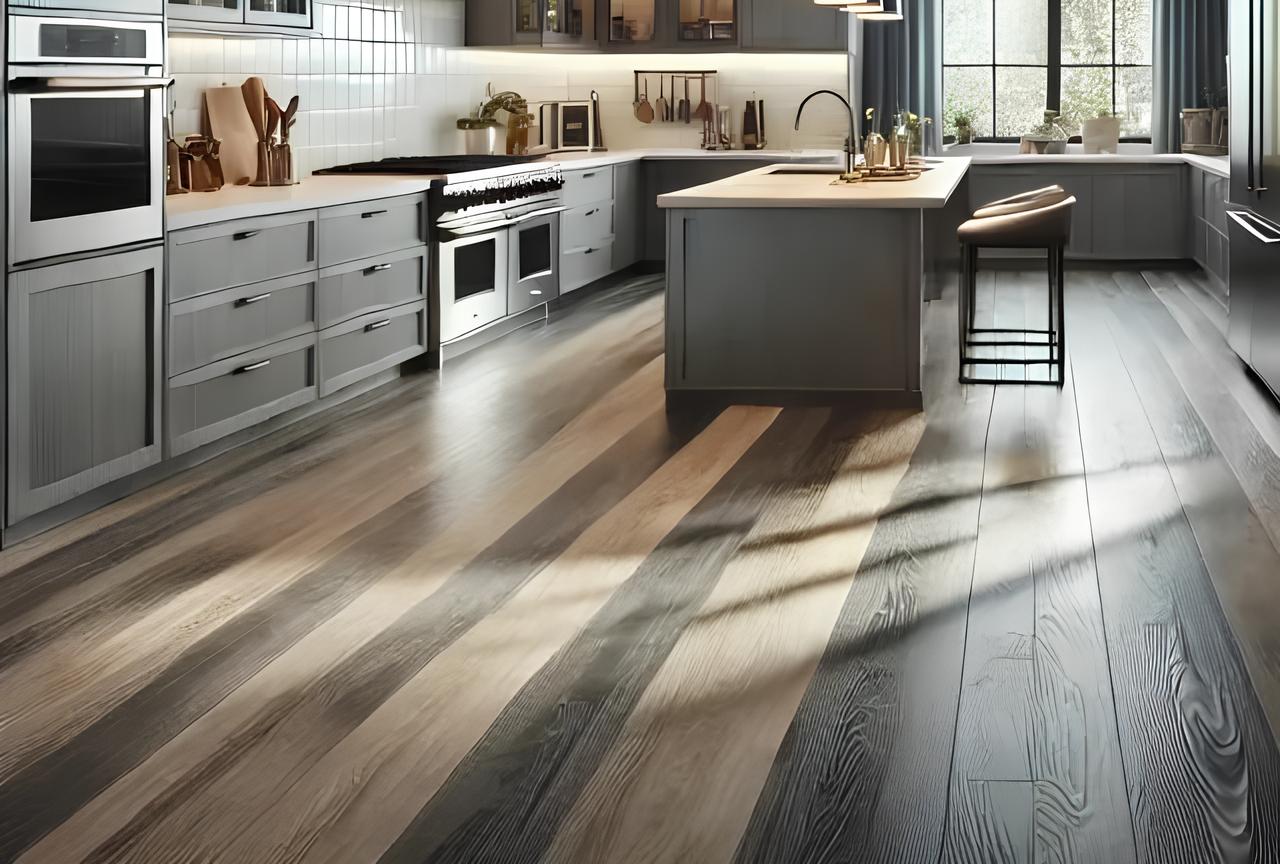
This guide breaks down how to evaluate vinyl flooring for kitchens in a real-world way, helping you make a more confident and informed flooring decision.
Why Kitchens Are One of the Most Important Rooms to Evaluate Carefully
Kitchens are different from many other spaces because flooring is exposed to more daily activity and more visual scrutiny at the same time.
A kitchen floor should handle:
- Regular foot traffic
- Food and drink spills
- Frequent cleaning
- Chairs and light movement
- Changing light throughout the day
That combination makes the material choice especially important. Buyers often want a floor that looks refined but does not require unnecessary effort to keep presentable.
Vinyl flooring fits that need well because it offers a balance of practicality and visual appeal. In a kitchen, that balance matters as much as style.
What Makes Vinyl Flooring a Strong Kitchen Option
When people compare kitchen flooring materials, vinyl often stands out for one simple reason: it does more than one job well.
1. It Supports Everyday Use
A kitchen floor should feel reliable in a busy routine. Vinyl flooring is often chosen because it provides performance that suits a space where activity never really stops.
2. It Is Easier to Live With
For many buyers, easy maintenance is one of vinyl’s strongest advantages. In a kitchen, where cleaning is constant and spills are part of normal life, that matters.
3. It Works With Modern Interiors
A kitchen is usually part of a broader design story. Vinyl flooring with a modern design helps the room feel coordinated and current, especially in open layouts.
4. It Supports a Refined Look
A premium vinyl floor can contribute to a sophisticated finish without becoming visually heavy. That is useful in kitchens where the flooring needs to complement cabinets, countertops, and appliances without competing with them.
5. It Fits More Than One Setting
Vinyl flooring can be a smart choice for both residential spaces and select commercial environments where a clean, practical, and modern look is important.
What Buyers Often Misunderstand About Kitchen Vinyl Flooring
One of the biggest misunderstandings is assuming all kitchen flooring decisions are mainly about appearance. In reality, the right floor is defined by how it performs in the room.
Misunderstanding 1: “If It Looks Good, It Will Work Well”
Not necessarily. A kitchen floor should still support daily cleaning, movement, and frequent use. The visual finish matters, but it should not be the only factor.
Misunderstanding 2: “Kitchen Flooring Must Be Complicated to Be Premium”
Actually, many buyers want the opposite. Premium vinyl flooring often feels more valuable because it offers quality, confidence, and functionality without adding unnecessary maintenance demands.
Misunderstanding 3: “Residential and Commercial Kitchens Need the Same Solution”
They do not. A home kitchen may prioritize warmth and comfort, while a commercial kitchen-adjacent space may place greater emphasis on appearance, ease of cleaning, and consistent performance.
Understanding those differences helps narrow the choice quickly.
How to Compare Vinyl Flooring Options for Kitchens
A smart comparison should focus on the real use of the space. Instead of asking which option is most decorative, ask which one is best suited to kitchen life.
Durability Should Be the First Filter
Kitchens are active rooms. The floor should feel appropriate for a space that gets repeated use every day. Durability is not a bonus here; it is a core requirement.
Maintenance Should Be Simple
If a surface is difficult to care for, it becomes less practical in a kitchen. Buyers generally prefer flooring that supports easy maintenance because it fits the pace of the room.
The Finish Should Support the Room, Not Overpower It
Kitchen design works best when the flooring creates balance. A floor with a clean, sophisticated look can help the whole room feel more intentional.
The Style Should Fit the Rest of the Interior
A kitchen floor should connect smoothly with cabinets, walls, and adjoining spaces. A modern design is often easiest to integrate into contemporary homes.
The Flooring Should Feel Appropriate After Real Use
The best kitchen floor is not just attractive on installation day. It should still feel like the right choice after months of daily routines.

The Quality Indicators That Matter Most in Kitchen Vinyl Flooring
If you are trying to separate strong options from average ones, focus on the indicators that matter in actual use.
Consistent Appearance
A kitchen is a highly visible room. Flooring that looks clean and cohesive helps the space feel organized.
Practical Performance
A kitchen floor should help the room function smoothly, especially when the household is active.
Ease of Care
A major reason people choose vinyl is its easy maintenance. In a kitchen, that benefit is especially relevant because spills and messes are part of normal living.
Sophisticated Finish
Refined surface details can improve the overall look of the kitchen without making it feel overdesigned.
Adaptability
Good vinyl flooring should work well in kitchens that connect to living or dining areas, where visual continuity matters.
Where Vinyl Flooring Fits Best in the Kitchen
Vinyl flooring is often most effective in kitchens that need a practical surface with a modern appearance.
Open-Concept Kitchens
In open layouts, flooring plays a major visual role. Vinyl can help the kitchen feel connected to surrounding spaces while maintaining a clean, polished look.
Family Kitchens
Busy households need flooring that supports constant use. Vinyl is often selected because it balances visual comfort with practicality.
Small Kitchens
In compact spaces, the right floor can help the room feel more cohesive and refined. A modern vinyl surface can support that effect.
Kitchen-Adjacent Commercial Spaces
In some commercial environments, especially where presentation matters, vinyl may help create a more professional and easy-to-manage environment.
How to Think Like a Flooring Buyer, Not Just a Style Shopper
Many buyers start with color and pattern. That is understandable, but the better approach is to think like a flooring buyer.
Ask these questions:
- Does this flooring fit how the kitchen is used?
- Will it support everyday cleaning and activity?
- Does the design work with the rest of the interior?
- Is the finish refined enough for a visible, high-use room?
- Does the product support both quality and functionality?
That approach leads to better decisions because it puts the room first.
A kitchen floor should not feel like an isolated design choice. It should feel like part of the whole space.
Why Premium Vinyl Flooring Is Often a Strong Fit for Kitchen Projects
When buyers want a kitchen floor that feels modern, practical, and visually polished, premium vinyl is often a strong candidate.
It tends to offer the kind of value that kitchen projects demand:
- Durability for daily activity
- Easy maintenance for fast cleanup
- Modern design for current interiors
- Sophisticated finish for a refined feel
- Functionality for busy routines
That combination is why many homeowners and designers continue to consider vinyl flooring for kitchens when they want a solution that is both attractive and manageable.
Choosing Vinyl Flooring for Kitchens
The best vinyl flooring for kitchens is the option that fits the room’s pace, supports easy upkeep, and contributes to a clean, modern interior. It should offer a strong balance of quality, confidence, and practical performance.
For residential spaces, that often means a floor that feels comfortable, refined, and easy to live with. For select commercial environments, it may mean a product that maintains a professional appearance while remaining practical.
If you keep the decision grounded in how the kitchen is actually used, vinyl flooring becomes much easier to evaluate. And that usually leads to a smarter, more lasting result.
Frequently Asked Questions About Vinyl Flooring for Kitchens
Is vinyl flooring a good choice for kitchens?
+
Why do people choose vinyl flooring for kitchens?
+
What should I look for in kitchen vinyl flooring?
+
Is vinyl flooring suitable for busy kitchens?
+
Can vinyl flooring work in open-concept kitchens?
+
What kind of look does vinyl flooring create in a kitchen?
+
Is easy maintenance important in kitchen flooring?
+
Does vinyl flooring work in residential kitchens?
+
Can vinyl flooring also work in commercial settings?
+
What is the biggest mistake buyers make with kitchen flooring?
+
 Vinyl Flooring Guides
  Installation & Maintenance
  Design & Inspiration
  Vinyl Flooring Comparisons

No comments have been made yet, be the first!