

Blog
Commercial LVP Flooring Supplier Georgia: A Complete Buyer’s Guide
Commercial LVP flooring suppliers in Georgia play a critical role in supporting construction companies, contractors, and property developers. Luxury vinyl plank (LVP) flooring is widely used in commercial environments due to its durability, water resistance, and design versatility.
In Georgia’s growing construction market, demand for reliable flooring supply continues to rise, especially in retail, office, and multi-family developments.
What Is Commercial LVP Flooring?
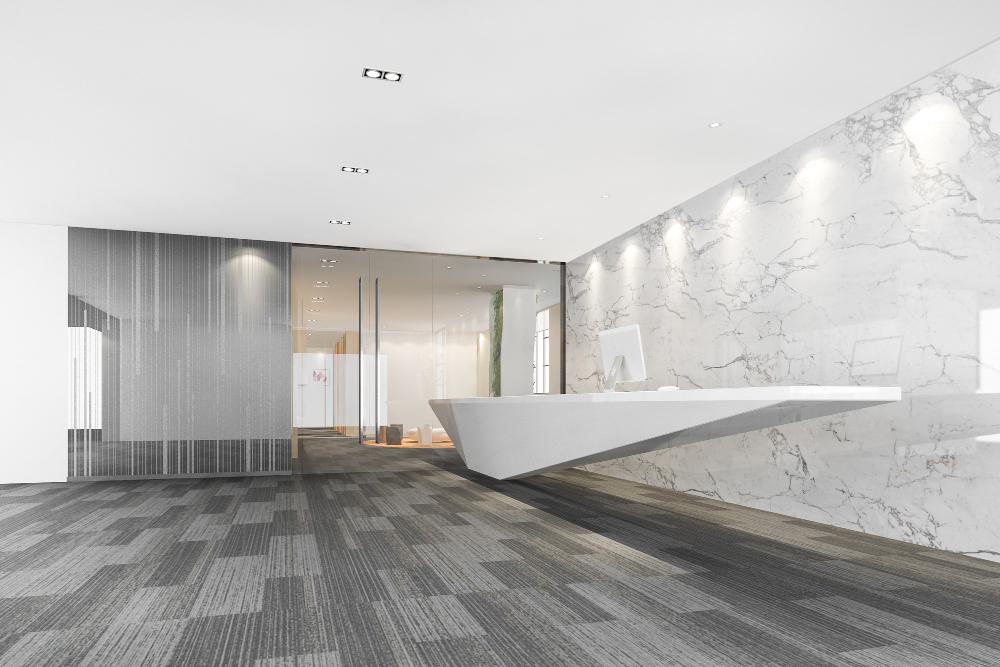
Commercial LVP flooring refers to luxury vinyl plank products designed for high-traffic environments. It typically features multiple layers, including a protective wear layer, printed design layer, and a stable core.
This flooring type is engineered to handle commercial wear while maintaining a wood-like appearance. Therefore, it is commonly used in offices, retail stores, hospitality spaces, and residential complexes.
What makes LVP flooring suitable for commercial use?
LVP flooring is suitable for commercial use because it offers strong resistance to scratches, moisture, and heavy foot traffic. Additionally, it provides design flexibility with realistic wood visuals. Most commercial-grade LVP products also include enhanced wear layers, which improve durability and extend lifespan in demanding environments.
Get Your Free Quote
Why Georgia Contractors Use LVP Flooring
Georgia’s commercial construction market continues to expand, especially in metropolitan areas. As a result, contractors seek flooring materials that balance cost efficiency and long-term performance.
LVP flooring is preferred because it is versatile, visually appealing, and suitable for a wide range of commercial interiors. Moreover, it supports faster project completion due to simplified installation compared to traditional hardwood.
Key Advantages of Commercial LVP Flooring
Commercial LVP flooring provides several advantages that make it a strong choice for large-scale projects.
1. Water Resistance
LVP flooring performs well in moisture-prone environments, making it suitable for restaurants, offices, and entryways.
2. Durability
Its wear layer protects against scratches and heavy foot traffic, which is essential for commercial spaces.
3. Design Flexibility
It replicates natural wood, stone, and modern textures, allowing designers more creative freedom.
4. Cost Efficiency
Compared to hardwood, LVP provides a more affordable alternative for large installations.
Is commercial LVP flooring worth it?
Commercial LVP flooring is generally worth it due to its balance of durability, cost, and appearance. It performs well in high-traffic environments and requires less maintenance than natural wood flooring. However, suitability depends on project needs, subfloor conditions, and budget considerations.
Pricing Factors for Commercial LVP Flooring
The cost of commercial LVP flooring in Georgia varies depending on several key factors. Understanding these helps contractors estimate project budgets more accurately.
Key Factors That Influence Commercial LVP Flooring Cost
Thicker layers increase durability and price.
Rigid cores often cost more due to stability.
Premium visuals increase overall cost.
Bulk purchases reduce unit pricing.
Trims and transitions add to total cost.
Shipping distance affects final pricing.
How much does commercial LVP flooring cost?
Commercial LVP flooring pricing varies based on quality and specifications. Entry-level products are more affordable, while premium rigid core options cost more due to enhanced durability. Bulk orders typically reduce per-square-foot pricing, especially for contractors purchasing large quantities for commercial projects.
Applications of Commercial LVP Flooring in Georgia
Commercial LVP flooring is widely used across different industries due to its performance and design flexibility.
Commercial Spaces
- Retail stores
- Offices
- Shopping centers
- Hospitality environments
Residential Developments
- Apartment complexes
- Condominiums
- Rental properties
Its adaptability makes it a common choice in both new construction and renovation projects.
How Contractors Choose Flooring Suppliers
Selecting a commercial LVP flooring supplier is a critical decision for contractors. Reliable supply ensures project timelines remain on track.
Key considerations include:
- Product availability consistency
- Bulk order capacity
- Material variety
- Delivery reliability
- Coordination of flooring accessories
A dependable supplier reduces delays and improves project efficiency.
Role of Flooring Suppliers in Georgia Market
Flooring suppliers in Georgia support the construction industry by providing access to commercial-grade materials. These suppliers help bridge the gap between manufacturers and contractors.
For example, N1 Flooring operates within the flooring supply market, offering flooring products and related materials that support residential and commercial applications.
However, specific product availability should always be confirmed directly with the supplier.
Alternatives to Commercial LVP Flooring
While LVP is widely used, other flooring options may be considered depending on project requirements.
- SPC flooring (rigid core vinyl)
- WPC flooring (wood plastic composite)
- Laminate flooring
- Engineered hardwood
Each alternative provides different performance characteristics, cost levels, and installation requirements.
Common Mistakes to Avoid When Buying LVP Flooring
Contractors should avoid common mistakes when sourcing commercial flooring:
- Ignoring wear layer specifications
- Not confirming bulk availability
- Overlooking accessory compatibility
- Choosing based only on price
- Failing to compare suppliers
Proper evaluation ensures long-term performance and cost efficiency.
Final Thoughts on Commercial LVP Flooring Supply in Georgia
Commercial LVP flooring remains one of the most practical solutions for modern construction projects. It combines durability, design flexibility, and cost efficiency, making it suitable for a wide range of commercial applications.
For contractors and developers, selecting a reliable supplier is essential to maintaining project timelines and material consistency.
FAQ – Commercial LVP Flooring Supplier Georgia

 Vinyl Flooring Guides
  Installation & Maintenance
  Design & Inspiration
  Vinyl Flooring Comparisons
No comments have been made yet, be the first!