

Blog
What Flooring Is Easiest to Maintain? A Practical Guide to Low-Maintenance Choices
Some flooring decisions are made around appearance. Others are driven by budget or installation preferences. Yet there is another question that often matters more after the project is complete: What flooring is easiest to maintain?
For many homeowners, builders, and commercial buyers, maintenance is not a small detail. It is part of how the room functions every day.
N1 Flooring positions its vinyl flooring around a combination of durability, modern design, and easy maintenance, with products intended for both residential and commercial spaces. The company also presents luxury vinyl as a practical option for active interiors and high-traffic environments.
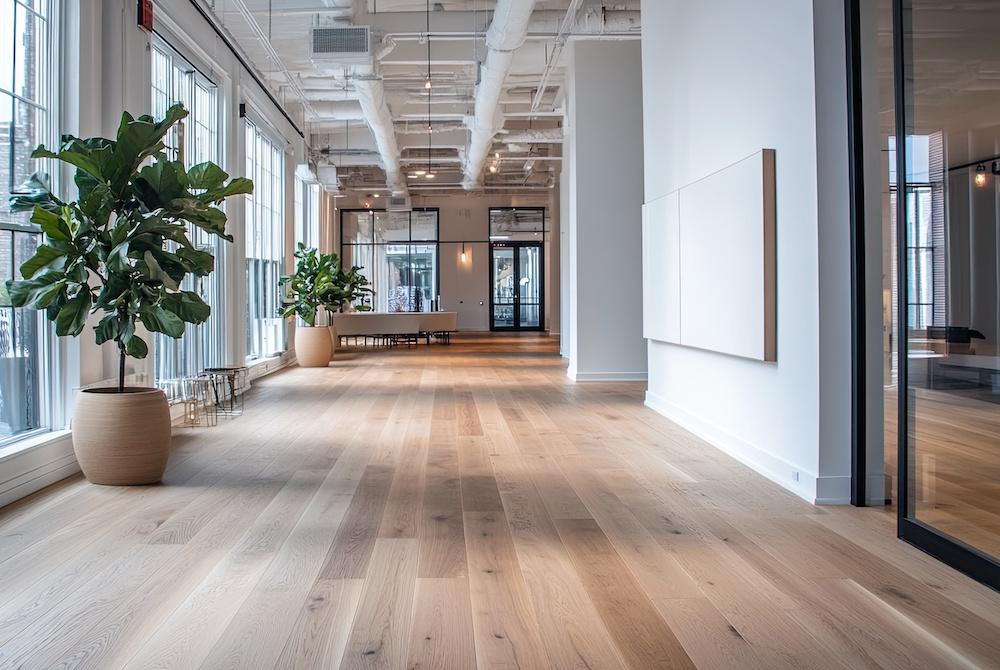
That makes vinyl a strong category to consider when the goal is to reduce everyday maintenance without giving up a polished appearance.
However, the smartest answer is not simply “vinyl.” The better answer depends on how the room is used, how much activity it receives, and which product characteristics matter most.
The Easiest Flooring Is the One That Fits the Way You Live
Maintenance is often discussed as though every floor experiences the same conditions.
They do not.
A bedroom may have relatively light daily activity. A kitchen can be much busier. A hallway may experience constant foot traffic. Meanwhile, a commercial space may need to balance regular use with a professional appearance.
N1 Flooring’s residential content specifically identifies kitchens, living areas, hallways, bedrooms, and other active parts of homes as environments where luxury vinyl can be considered. Its broader product positioning also includes commercial applications and high-traffic environments.
That leads to a useful rule:
The easiest flooring to maintain is not necessarily the flooring with the fewest care requirements on paper. It is the flooring whose everyday maintenance fits the room.
For a busy interior, that distinction can make the buying process much clearer.
Why Vinyl Flooring Stands Out for Easy Maintenance
N1 Flooring repeatedly identifies easy maintenance as one of the practical characteristics associated with its vinyl flooring. Its luxury vinyl collection is presented as combining easy maintenance with durability and modern design.
That combination matters.
A floor can be visually attractive, but if its everyday care feels inconvenient, the product may become frustrating to live with. Conversely, a highly practical floor may not deliver the design result the buyer wants.
Vinyl sits in an interesting middle ground because N1 Flooring presents it as a flooring category that can support both practical daily use and a more refined interior appearance.
For buyers, that means maintenance should be considered alongside design rather than after it.
What Buyers Often Get Wrong About “Low Maintenance”
A common mistake is treating low maintenance as a synonym for “nothing can ever happen to the floor.”
That is not a useful way to evaluate flooring.
Every floor exists in a real environment. People walk across it. Furniture moves. Everyday activity creates wear. Some rooms experience much more traffic than others.
N1 Flooring’s residential guidance takes a more practical approach by pointing buyers toward qualities such as durability, surface protection, easy maintenance, comfort, and consistent appearance.
So instead of asking only whether a floor is easy to maintain, ask:
Easy to maintain for what kind of space?
That question is more revealing.
A flooring option can make sense for an active household while a different product may be more appropriate for another type of interior. Therefore, the room should remain part of the decision from the beginning.
A Real-World Maintenance Test for Flooring Buyers
A simple way to compare flooring is to imagine a normal week in the space.
Think about what the floor will actually experience.
Will people move through the room constantly? Will furniture sit in the same locations for long periods? Is the room connected to other high-use areas? Will the flooring cover a large uninterrupted surface where visual consistency becomes important?
These questions help shift the conversation from product labels to practical use.
N1 Flooring’s apartment guidance, for example, notes that flooring in smaller residential environments may need to accommodate daily movement, frequent cleaning, furniture changes, and multiple uses within the same footprint.
That is a useful principle beyond apartments.
The more active the room, the more valuable practical flooring characteristics become.
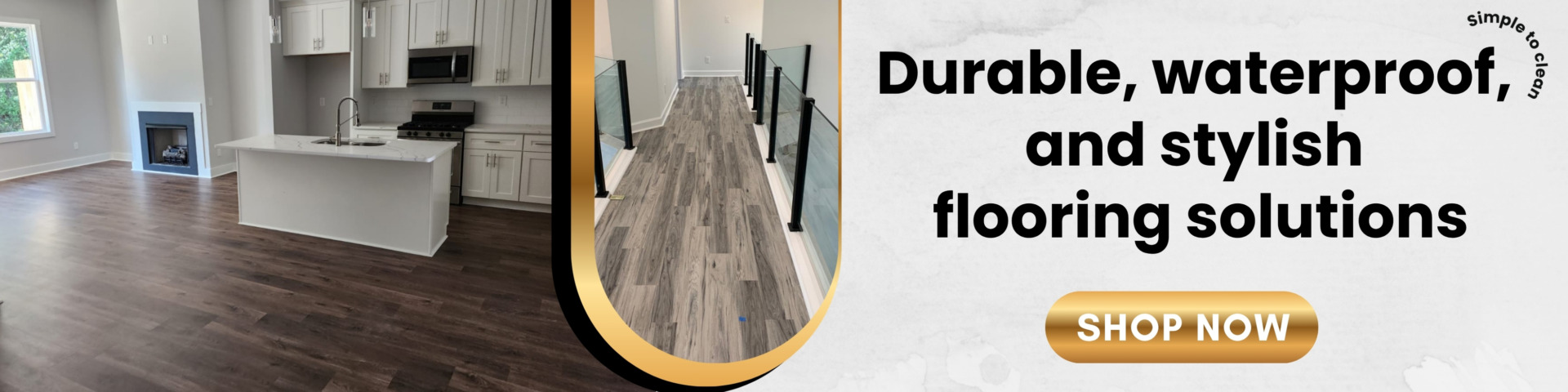
Compare Maintenance by Room Instead of by Category
A room-by-room evaluation can make flooring decisions much easier.
Living Rooms
Living rooms often need to balance appearance with practical everyday use.
Because the floor occupies a large visual area, design matters. At the same time, daily movement and furniture use make durability relevant.
N1 Flooring positions luxury vinyl as a solution that combines modern design with practical performance, making it a category worth considering for active living spaces.
Kitchens
Kitchens tend to demand more practical thinking.
They are active spaces where easy maintenance becomes particularly relevant. N1 Flooring identifies kitchens among the residential areas where luxury vinyl can be used.
For buyers, the important consideration is not simply appearance. The flooring should also make sense for the activity level of the room.
Bedrooms
Bedrooms usually have a different maintenance profile.
Traffic can be lower than in kitchens or hallways, while visual comfort may take on greater importance. N1 Flooring includes bedrooms among residential applications for luxury vinyl.
That makes it possible to approach the decision from both sides: practical upkeep and visual compatibility.
Hallways and High-Traffic Areas
Hallways are different because movement is concentrated.
N1 Flooring specifically highlights high-traffic environments in its descriptions of vinyl flooring and discusses active areas in its residential guidance.
Here, durability and ease of maintenance can become especially important buying considerations.
Commercial Spaces
Commercial environments add another layer.
A commercial floor has to support regular use while maintaining a professional visual appearance. N1 Flooring explicitly describes its luxury vinyl flooring as suitable for residential and commercial applications, including high-traffic commercial environments.
That makes practical performance an important part of the selection conversation.
Maintenance Is Only One Part of Flooring Quality
It is easy to overcorrect and choose flooring based entirely on upkeep.
That can be just as limiting as choosing only by appearance.
N1 Flooring’s published guidance presents flooring quality as a combination of several characteristics, including durability, easy maintenance, comfort, surface protection, and consistent appearance.
That broader definition is useful because the best floor for a room rarely wins on just one attribute.
Consider two options with similar visual appeal.
One may appear attractive but offer a less suitable combination of practical characteristics for the room. Another may deliver a better balance of everyday functionality, appearance, and durability.
The second option may ultimately feel like the easier floor to own.
What Makes a Flooring Option Practical to Maintain?
When comparing flooring products, look beyond the phrase “easy maintenance.”
Instead, examine the characteristics that influence day-to-day usability.
Durability
A floor that is intended for regular use needs to make sense for that level of activity. N1 Flooring places durability among the central qualities of its vinyl flooring.
Surface protection
N1 Flooring’s residential guidance identifies scratch resistance and stain resistance as qualities buyers often consider when evaluating flooring for homes.
Consistent appearance
A floor that maintains visual consistency can contribute to a more polished interior. N1 Flooring highlights consistency in quality, colors, and the relationship between flooring and other finishes.
Room suitability
A practical floor still needs to match the environment. Traffic, room layout, and intended use should influence the selection.
Together, these factors create a much stronger decision framework than maintenance alone.
Luxury Vinyl Gives Buyers More Than One Visual Direction
Another reason flooring can be difficult to choose is that practical products sometimes feel visually limited.
N1 Flooring’s luxury vinyl selection takes a different approach, with multiple LVP and LVT collections and a range of colors and styles. The catalog includes options such as Kona Oak, Desert Oak, Brown Oak, Rustic Oak, Pecan Oak, Hickory Oak, Classic Oak, Ice Gray, and Mountain Gray.
That variety matters because “easy to maintain” should not force a buyer into one particular design style.
A room can still have a warm wood-inspired appearance, a cooler contemporary character, or another visual direction while remaining within the luxury vinyl category.
So, the maintenance decision does not have to be separated from the design decision.
What Is the Easiest Flooring to Maintain?
For buyers specifically searching for an easy-maintenance flooring option, vinyl flooring is one of the categories N1 Flooring positions around practical daily upkeep, durability, and modern design. It is presented for both residential and commercial spaces and is highlighted for active environments where everyday performance matters.
But the strongest choice still depends on the space.
A buyer should compare the specific product, intended use, design requirements, and practical characteristics rather than assuming that every vinyl floor will perform exactly the same way.
That approach produces a more useful answer than simply naming one flooring category.
Final Takeaway
So, what flooring is easiest to maintain?
For many buyers, vinyl flooring deserves serious consideration because N1 Flooring specifically positions its luxury vinyl products around easy maintenance, durability, modern design, and use across residential and commercial environments.
Still, “easy maintenance” should never be evaluated in isolation.
The better choice is the floor that fits the room, supports its level of activity, matches the desired design, and offers the product characteristics the project actually requires.
That is what turns an easy-maintenance floor into a practical flooring decision.
 Vinyl Flooring Guides
  Installation & Maintenance
  Design & Inspiration
  Vinyl Flooring Comparisons
No comments have been made yet, be the first!